Whoa!
I tapped the card and felt oddly reassured.
Something felt off about relying on a single text file or a scribbled seed phrase in a drawer.
My instinct said physical possession matters, and that gut feeling stuck with me through tests and late-night fiddling.
At first I thought this would be a novelty, but after trying the card, the app, and a few recovery scenarios, my view shifted quite a bit.
Really?
Yes, really—it’s surprisingly practical.
I spent a weekend doing what engineers call “adversarial testing,” which basically means I tried to break my own setup.
On one hand it’s simple: tap, confirm, done.
Though actually I also ran through simulated loss and wallet migration, and those parts revealed nuances that matter.
Here’s the thing.
The user interface of the app is cleaner than I expected.
At the same time there are trade-offs: fewer bells and whistles means fewer attack surfaces, but also less hand-holding for newcomers.
Initially I thought “no seed phrase? that’s risky”, but then I realized the card-backed private key model changes the threat landscape in ways that are both good and weird.
Actually, wait—let me rephrase that: it doesn’t remove risk, it shifts it toward physical security and device integrity, which some folks prefer and others will hate.
Whoa!
I lost sleep over failure modes.
Somethin’ about cold storage makes you obsess.
So I tried backing up access, using the app to export a recovery file, and practicing the card replacement flow.
The process was slower than a simple mnemonic backup, but more intuitive once I stepped through it twice.
Hmm…
My first impression was biased by years of seed-phrase evangelism.
I’m biased, but that bias helped me test assumptions I otherwise would’ve skipped.
On the flip side, users who love the mnemonic method will find this approach almost foreign, and that’s okay.
Security choices are preference-laden and situational—no one size fits all.
Seriously?
Yes, and here’s a practical note: physical durability matters more than app polish for cards.
I kept mine in a front wallet pocket for a week to see wear.
Scratch resistance held up; NFC pairing was consistent across phones, though Android and iOS behaviors had minor differences that annoyed me a bit.
Those platform quirks are worth noting if you switch phones often or travel a lot.
Whoa!
I should say up front that I’m not 100% sure on long-term reliability for every card brand.
But the experience with this ecosystem felt robust enough for everyday cold storage use.
Once you accept that the private key lives on a tamper-evident card, the user flow simplifies in a comforting way.
Still, there are edge cases—like damaged NFC chips or rare phone incompatibilities—that need contingency planning.
Okay, so check this out—
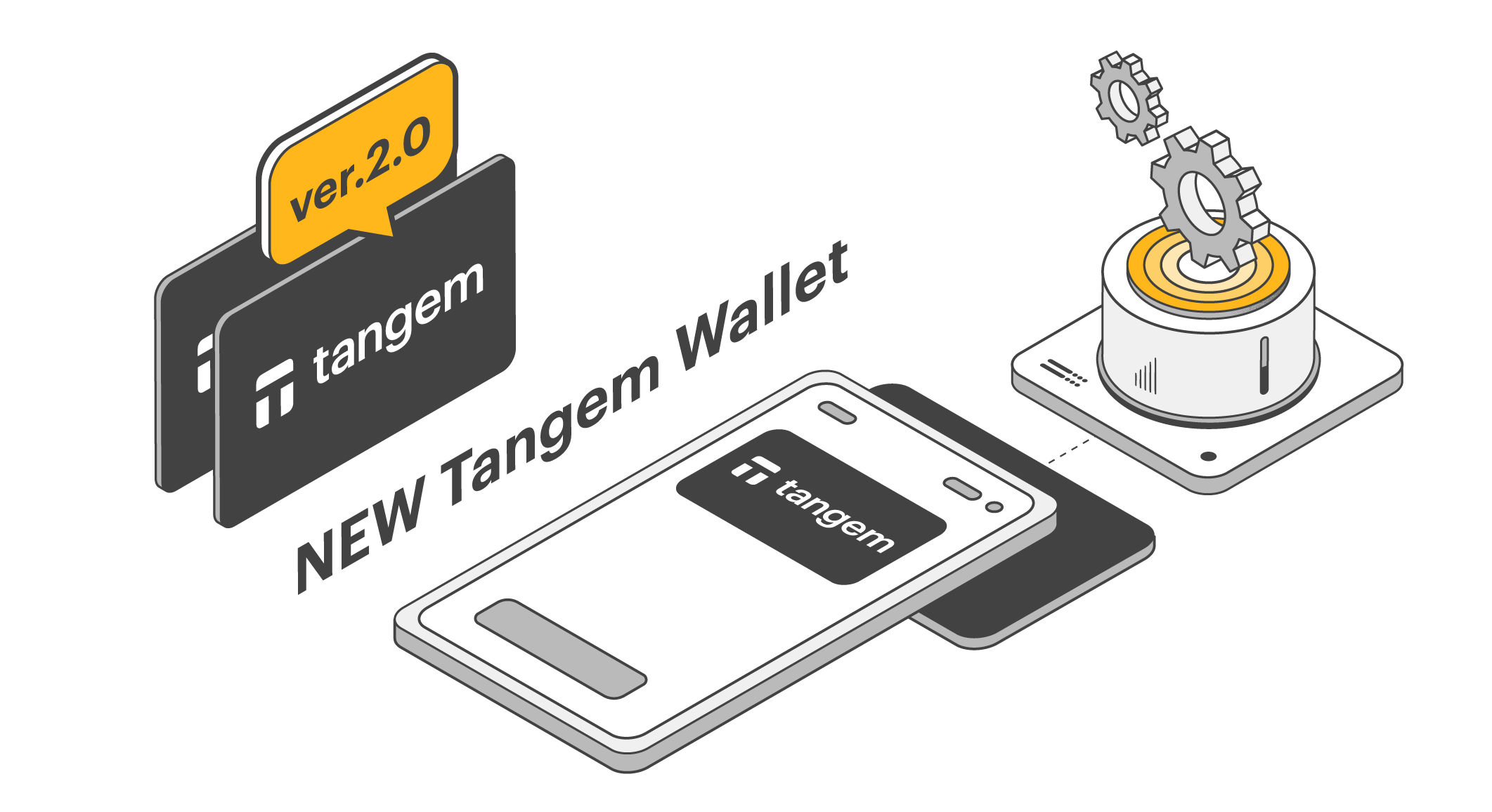
I recommend reading more about how the tangem wallet works if you want a straightforward intro and vendor-specific details.
tangem wallet is the place I used for official setup notes and the app download links.
Pro tip: verify app signatures and download sources; don’t just trust a random link in a forum.
Small checks like that make the difference between safe cold storage and a bad day.
Whoa!
Here’s a short checklist I used while testing.
Carry two cards if redundancy matters to you.
Test recovery before moving large amounts.
Label cards discreetly, and store backups separately—preferably in different physical locations.
Hmm…
Some parts still bug me.
The replacement workflow required a few steps that felt non-intuitive at first, and the documentation skipped small but important clarifications.
(Oh, and by the way…) customer support response times varied, which I noted during a simulated recovery question.
It’s not a dealbreaker, but it’s one of those service-level things that matters over time.
Practical trade-offs and when a card wallet makes sense
Short answer: if you value physical control, minimal attack surface, and portability, a card-based cold wallet is compelling.
Longer answer: you trade off mnemonic portability for a secure element on a card that requires NFC or a compatible reader to use.
On one hand the model reduces human error from writing down seeds and losing them.
On the other hand you now need to plan for card loss, damage, and device compatibility, which are solvable but different problems.
Think in threat-model terms: are you more worried about remote software compromise, or losing a physical object? Your answer guides the choice.
Common questions I get asked
Can the card be cloned?
Not practically—cards used as secure elements are designed to resist cloning, though no system is bulletproof; tamper-evidence and vendor reputation matter.
What happens if I lose the card?
It depends on your backup plan; without a recovery setup you could lose funds, so use redundancy or an additional recovery card and test it beforehand.
Is the mobile app required?
Yes for daily operations; the app handles signing and transaction composition, though the private keys never leave the secure element on the card.
Whoa!
Final thought: this felt less like a radical new thing and more like a sensible evolution of cold storage.
I walked into it skeptical, did my due diligence, and walked out with a usable workflow that I trust for small to medium holdings.
Everyone’s risk tolerance differs, so think through loss scenarios, recovery rehearsal, and device compatibility before committing.
I’m not 100% certain this is perfect, but for many people it’s an elegant, low-friction way to hold crypto cold that I kept coming back to during my tests.